
Holidays: Save Money & Avoid Costly Mistakes
April 23, 2026
What Is Persistent Debt?
July 22, 2026
Experiencing money worries and struggling to make payments is common. It can – and does – happen to anyone. The most important thing is not to ignore it – it won’t go away.
Debt: Do Something; Speak to Someone.
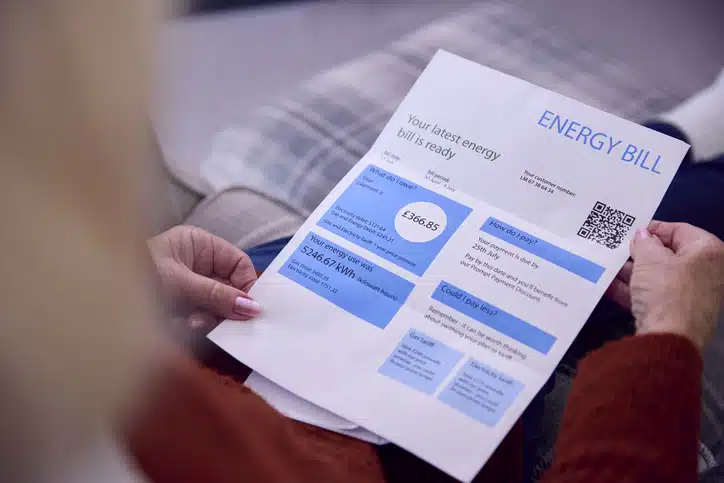
It’s easy to feel stressed when you find yourself getting behind with payments, struggling to afford essentials, or being hit with a big, unexpected bill. When debt becomes overwhelming, many of us do the same thing: avoid it.
We stop opening letters – and dread the postman’s visits. Calls cause feelings of alarm yet go unanswered. Emails are ignored in the hope that somehow, things might settle down or disappear on their own.
It’s not just you – and it’s completely understandable. Debt can feel stressful, confusing, and emotionally exhausting. It’s overwhelming.

Ignoring Debt Makes Things Worse
It’s hard to believe you could feel worse. But that’s exactly where ignoring debt will lead. Unpaid debts don’t just go away simply because they’re ignored. In fact, in many cases, doing nothing can allow the situation to escalate. You could then face formal legal processes that become more difficult, even more anxiety-inducing, and often more expensive to resolve later.
Understanding what is likely to happen if your debts are left unaddressed can help you act before the situation becomes more serious. And remember, you don’t have to do this alone. We have lots of information to help you and can guide you towards getting on top of your debt problems – before they get on top of you.
What Happens When Debts are Ignored
Here is a general timeline of what may happen if debts are ignored:
- Missed Payments and Initial Contact (days to weeks): The process usually begins with one or more missed payments. At this stage, creditors will typically begin contacting you by post, email, calls and even text messages. You may also begin to see overdue payment charges as well as interest continuing to accrue. Even at this early stage, your credit file being negatively affected.
This is the point at which to speak to someone. We can help and offer advice, or you can contact your creditors directly – most will want to help. You may be able to arrange an affordable payment plan – after all, problem debt isn’t good for them, either.
- Default Notices and Formal Warnings (within weeks to a few months): If you continue to miss payments, creditors may issue a default notice – a formal warning of serious arrears. This gives you a limited period to address the issue. However, if at this stage no action is taken, creditors may:
- Terminate the credit agreement.
- Demand full repayment.
- Pass or sell the debt to a debt collection agency who will continue to contact or even visit you.
- Register a default on your credit report.
This can have a long-term impact on your ability to access credit.
- Debt Collection Activity (months): If the debt remains unpaid, it may be transferred or sold to a debt collection company as detailed above. At this point, contact may become more persistent. This can include:
- Collection letters
- Payment demands.
- Attempts to arrange repayment plans.
- Notices warning of potential legal action.
While debt collectors can pursue payment, they must follow UK rules and cannot harass or threaten you unlawfully. This stage is still often resolvable through communication and debt advice.
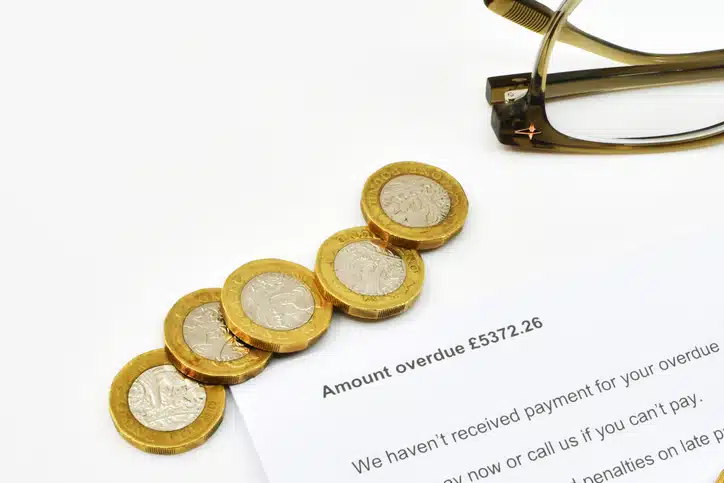
- County Court Action. If attempts to recover the debt fail, creditors can, and often do, apply to the court. You may receive a County Court Claim Form which is a formal legal notice that requires a response. Ignoring the claim form can lead to a County Court Judgment (CCJ) against you by default.
A CCJ is never good news and can damage your credit record for six years, making borrowing more difficult – even mobile phone contracts or rental agreements. They can also lead to further enforcement action. This is a critical point where professional debt advice becomes especially important.
- Enforcement Action: After a CCJ, if payment is still not made, creditors may start enforcement which can include:
- Bailiff Enforcement: Enforcement agents may be authorised to recover payment.
- Attachment of Earnings: Payments may be deducted directly from wages.
- Charging Orders: A creditor can seek to secure debt against property you own.
- Further Court Action: Additional legal measures may be pursued depending on your circumstances.
At this stage, options are more limited and the consequences more serious.
- Formal Debt Solutions May Be Necessary: If debts are totally unmanageable, you may need to consider formal debt solutions. Depending on your circumstances, these could include:
- Individual Voluntary Arrangements (IVAs)
- Debt Relief Orders
- Bankruptcy
The right option depends entirely on your income, assets, total debt, and personal situation.
As you can see, ignoring debt is not the way forward, for anyone. We can help with non-judgmental guidance and proper signposting.
With Debt Early Action Matters
Speak to someone. Aside from expert advice and guidance, simply sharing your worries can take some of the weight off your shoulders – we know how badly money problems can affect mental health, so it is crucial to reach out. The earlier you seek help, the more options you are likely to have.
Acting early can help to prevent legal escalation and reduce the stress and uncertainty. It’s also vital to protect your financial future and plan a realistic route forward. However, ignoring debt allows the problem to snowball.
If you are struggling with debt and unsure about your next steps, don’t face it alone. Speak to us. The first step is simply reaching out – because, when it comes to debt, doing something – even something small – is always better than doing nothing.