
January Debt Woes? Save Money This Month
January 23, 2026
If you’re reading this, can we assume you’re struggling with debt? Are you starting to feel overwhelmed by money worries and unsure where to turn? Maybe the letters, the final demands, and the dire warnings are piling up. The calls are non-stop, so you stop answering your phone. Maybe you’re sick of staring at a credit card bill that makes your heart sink.
You are absolutely not alone, and, as far as being unsure where to turn goes, well, now you’ve turned to the right place. We can help, we can advise, and we can start helping you to get back on track. This is the first step towards getting sorted.
Debt Problems: Expert Advice Only
Many people, from all over the UK, and from all walks of life, find themselves struggling. Undoubtedly, fuel prices, job insecurities, and the general ever-rising cost of living are just making everything worse – for almost everybody. More and more people are questioning whether an Individual Voluntary Arrangement (IVA) or a Debt Management Plan (DMP) are worth considering.
Firstly, please disregard the social media ads and sponsored posts – or worse, so-called influencers – suggesting these are a magic cure-all or an easy way out. They’re not, and you need to be sure that any debt solution is the right for you. That’s where we come in. The good news? There is a way for you to deal with your debt worries. Understanding your options will make all the difference and ensure you make the best choice for you and your finances. Let’s take a good look at the key differences between these two debt solutions and help you decide the best way to start sorting out your money worries.
What is an IVA?
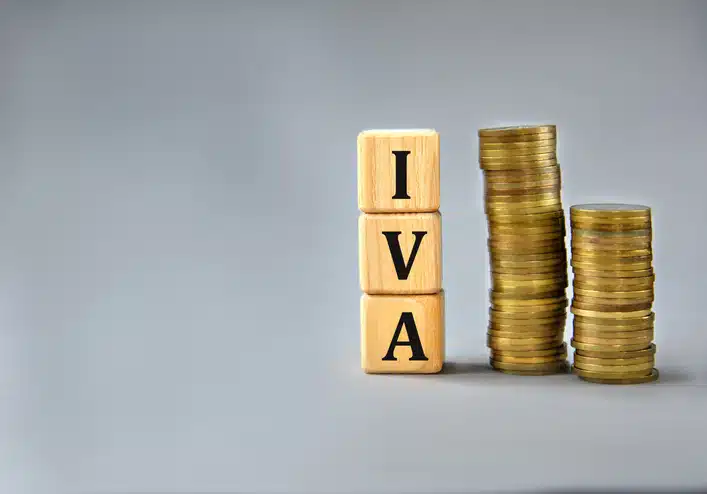
Firstly, let’s take a look at IVAs. An IVA – or Individual Voluntary Arrangement – is a formal, legally binding debt solution. That’s legally binding both for you and your creditors – so they can’t go back on it or change their minds. This can give you peace of mind – you’ll know exactly what you need to pay every month. A licensed Insolvency Practitioner (IP) sets up the plan with your creditors on your behalf, so there are no awkward conversations or unpleasant calls. You agree to pay what you can afford, usually for 5–6 years.
Then, at the end of the arrangement, any remaining unsecured debt included in the IVA is written off. Your creditors must accept this if they agreed to the arrangement in the first place. An IVA is usually best suited to people with a higher level of debt, typically at least a few thousand pounds, who struggled to keep up with payments under normal terms.
What Is a DMP?
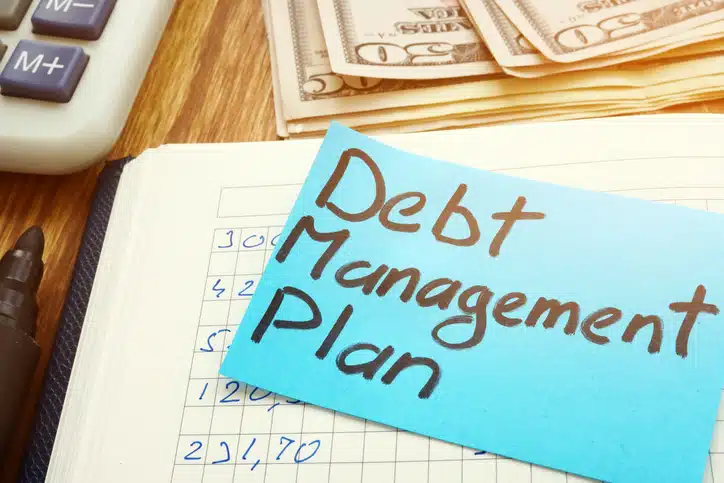
A Debt Management Plan is an informal arrangement, agreed between you and those you owe money to. Because it’s ‘informal,’ there’s no legal contract. A DMP is more like everyone you owe money to agreeing to be helpful, thus working with you while you get your money problems under control.
This can mean one affordable monthly payment is set, based on what you can realistically afford. A DMP provider (like a debt charity or debt company) negotiates with creditors on your behalf. Some providers charge a fee, which becomes part of the agreed monthly payment. However, free DMPs are available through charitable organisations such as StepChange.
A DMP is usually suited to people with debt problems who will be able to make repayments within several months. However, because a DMP isn’t legally binding, creditors can refuse to freeze interest, add extra charges, or even end the plan if they want.
IVA or DMP: Key Differences You Should Know
To help you make the best choice for you and your individual circumstances, here’s a simple comparison:
1. Legal Status
IVA: Legally binding so offers protection from creditors.
DMP: Informal, so creditors don’t have to agree and can change their minds.
Why this matters: With an IVA, your creditors must stick to the rules once agreed. With a DMP, you’re relying on goodwill.
2. Debt Write-Off
IVA: some debt can be written off when the arrangement ends.
DMP: Usually no writing off of debt – you generally pay back everything you owe.
This is a huge distinction. An IVA gives you a real finish line. Your debts can be reduced and then cleared once you complete the plan.
3. Interest and Charges
IVA: Interest and charges are usually frozen by law.
DMP: Creditors may freeze interest, but they’re not obliged to.
An IVA gives you certainty. You’ll know interest won’t balloon your debt while you’re trying to repay it. But with a DMP, interest can keep the debt growing unless each creditor agrees to freeze it.
4. Timeframe
IVA: Set term, typically around 5–6 years.
DMP: Can vary and is usually longer, perhaps 5–10 years or more depending on how quickly you can pay off your debt.
Shorter isn’t necessarily better, but if you want a clear end date, an IVA could be more appealing.
5. Eligibility
IVA: Usually requires a minimum level of unsecured debt and enough disposable income to make monthly payments realistic.
DMP: More flexible and often available to people with lower or unpredictable income.
If you owe very little, an IVA might not be available and a DMP could be the only option. Before committing to either – or any other debt solution or plan, make sure you get expert advice. Contact us and we’ll be happy to help.

IVA or DMP? Advantages and Disadvantages
As with any financial product or debt solution, there are pros and cons. What’s right for one person may not work for you. Here’s what you might like (or not like) about each option. For a more in-depth look at sorting out your debt concerns, just get in touch.
IVA – The Structured Route
Pros:
- Potential to write off some of your debt.
- Legal protection from creditors, including bailiffs.
- Fixed end date so you know when you’ll be debt-free.
- Interest and charges stopped.
Cons:
- It’s a formal insolvency solution so there’s public record of insolvency on the register.
- Fees are often included in your payments.
- Less flexible as once agreed, you’re usually locked in.
- Can impact your credit file for several years.
DMP – A More Flexible Option
Pros
- Can be free or low cost if set up through a charity like StepChange or Citizens Advice.
- More flexible as you can increase or pause payments if things change.
- Not recorded as insolvency.
- No minimum debt level to qualify.
Cons
- No guaranteed end date so debts can take a long time to clear.
- Creditors can still choose to add interest.
- Creditors could withdraw or change terms.
- Creditors can, theoretically, still chase you (though many won’t).

Is a DMP or IVA Right for You?
With any debt solution, there’s no one-size-fits-all answer. The right choice for you will depend on many factors which is why expert advice – and not sponsored social media posts – is critical.
An IVA gives peace of mind to many, offering a clear path forward and a real finish line without owing anything more after completion. However, it can affect your credit history and is a matter for public record. A DMP might be best for people whose debt level or income doesn’t fit an IVA, or for those who wish to avoid formal procedures.
Don’t Stress About Debt Alone – Get Expert Advice
Whether you’re leaning toward an IVA or a DMP, it’s vital to get impartial, expert advice before deciding. We can offer free guidance tailored to your situation. This can help you understand how each option affects things like your credit file and the long-term financial impact.
Talking through your circumstances can save you time, money, and stress. Debt doesn’t have to define you, and it’s not something to be ashamed of. Choosing between an IVA and a DMP – or even an alternative – can feel confusing. We can help you take control of your financial future.