Ignoring Debt: What Happens?
May 19, 2026
September Savings
September 2, 2026
You thought you were on top of things. You make your credit card and your store card payments every month. Why, then, has your card company written to you and said you’re in ‘persistent debt?’ Is that not what credit cards are for?
Debt Can Happen Easily
When you hear the phrase persistent debt, it can sound like financial jargon that only applies to people with huge debts or serious money problems. Turns out, persistent debt can affect anyone.
Maybe you only intended to use a credit card to cover Christmas, spread the cost of a new washing machine, or to rely on while things were tight. But it’s so easy to keep using credit, thinking all’s well because you’re easily making the minimum payments. Then’ that letter lands on the doormat… Persistent debt is something many people find themselves in without even realising.

What Does Persistent Debt Mean?
It’s not all bad news. Once you understand what is meant by persistent debt, you can start taking steps to break the cycle and take control. Persistent debt is a term to describe a situation where you’re paying more in interest and charges than you’re actually paying off the actual debt.
Eight years ago, the Financial Conduct Authority (FCA) directed lenders to get in touch with customers who are in persistent debt. This only applied to credit cards initially but now includes store cards and catalogues too. The term ‘persistent debt’ means that, over a given period, a customer pays more in interest, fees, and charges than they pay off the actual debt. The intention was to ensure credit card providers identified customers trapped in long-term, expensive debt, and intervened.
Persistent debt is most common when people only make the minimum payment each month: customers pay every month, but the debt isn’t reduced. Imagine making payments on time every month, yet realising after a couple of years, realising that despite paying a fortune in interest, the balance has barely reduced.
Persistent Debt Isn’t Always Overspending
Persistent debt isn’t always about overspending. It’s a huge misconception that people in persistent debt have been reckless with money. In reality, many people end up there because of life’s unexpected expenses.
Perhaps you’ve:
- Relied on a credit card while between jobs.
- Paid for unexpected car repairs.
- Replaced a broken boiler.
- Bought school uniforms or children’s clothes.
- Managed through rising food and energy prices.
Persistent debt isn’t necessarily about luxury purchases or fancy holidays. It can be everyday costs that many of us simply can’t avoid.

Why Lenders Contact You About Persistent Debt
When a credit card provider believes you’re in persistent debt, they may write to you – not because you’ve missed payments, but because they’re obliged to.
The letter might suggest:
- Increasing your monthly payments if you can.
- Making a one-off payment.
- Contacting them to discuss your circumstances.
- Agreeing a payment plan.
Although receiving a letter talking about persistent debt can be worrying, it’s actually an opportunity to take action before the debt costs you even more.
After all, if every month you’re making large repayments on time, it’s easy to believe you’re on top of things. However, most of that payment is covering interest, and, after several years, your debt has barely shrunk. What happens if you have another unexpected expense?
Why Persistent Debt Matters
Persistent debt becomes expensive. The longer it goes on, the more interest you pay. The original purchase costs far, far more in the end.
Persistent debt, even when you believe you’re in control, can also make it harder to:
- Save for emergencies.
- Afford essentials.
- Arrange other borrowing.
- Feel financially secure.
It’s like being in a hamster wheel – running and running but never getting any further forward.
What Will Happen?
The first letter usually arrives when you’ve been in persistent debt for 18 months and will outline that increasing payments means you pay less back. It will suggest contacting the lender to discuss increasing your payments, and warn that persistent debt remains, your account could be suspended, and your credit rating could be affected.
After 27 months in persistent debt, another letter will advise increasing your payments and warn you about what can happen if you don’t. After a further 9 months, your lender will contact you to discuss your options and help you find a way to repay the debt more quickly. They may decide to suspend your account.
If you don’t respond, your account will be suspended, and you won’t be able to borrow any more money.
What Can You Do About Persistent Debt?
Even if you’ve not had a letter from a lender, if you think you’re in persistent debt, don’t ignore it. There are often practical ways to improve your situation. Depending on your individual circumstances, you could consider:
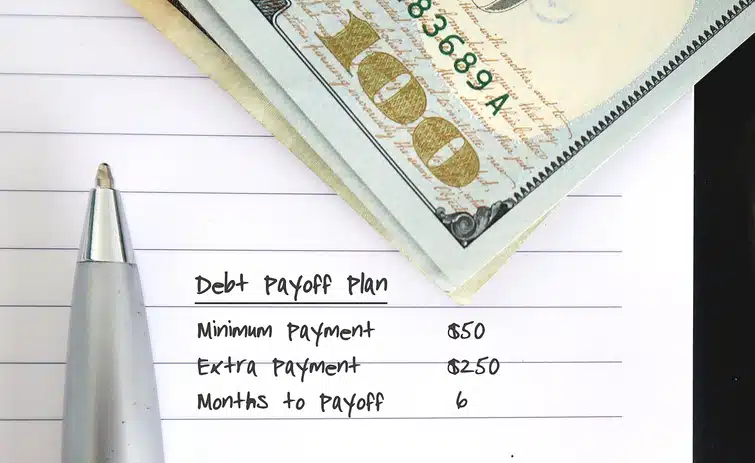
- Paying more than the minimum amount if you can afford to.
- Avoiding new spending on the credit card.
- Looking at your household budget to see where small savings could help.
- Speaking to your lender about your options.
- Seeking free, independent debt advice before things become more difficult.
Everyone’s circumstances are different, so there’s no one-size-fits-all solution. However, as with any money or debt worries, talking to someone is the first step.
And remember, you’re not alone. Many people are embarrassed about debt, but millions of people across the UK rely on credit. The cost-of-living crisis, rising mortgage and rent payments, higher energy bills, and everyday family expenses mean many of us are under increased pressure.
Contact Us for Help and Advice
Asking for help is far from a sign of failure – in fact, it’s quite the reverse. Asking for help is taking action; the first step towards taking back control.
Persistent debt doesn’t happen overnight, but develops gradually, while we are doing our best to juggle work, family life, and rising living costs. If your credit card balance never seems to shrink despite making regular payments, it’s worth taking a closer look.
Taking action can help you make informed decisions, reduce the amount of interest you pay, and move towards becoming debt-free.