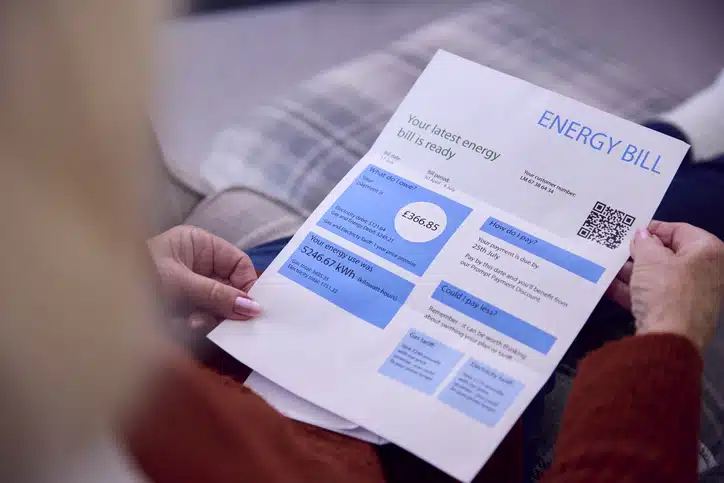
Energy Bills Rise Again: Can You Afford to Pay?
September 29, 2026Financial scams are rife – and they’re getting cleverer. From fake investment opportunities to convincing communications from people pretending to represent legitimate organisations, fraudsters constantly find new ways to steal money and personal information.
Financial Scams Can Fool Anyone
It’s not just well-off people who are targeted. Anyone can become a victim, and fraudsters don’t care if you’re elderly or vulnerable. People who are worried about money, struggling with debt or looking for ways to improve their financial situation can be particularly easy targets.
Nationwide found that 15% of people they surveyed had given personal information to a potential fraudster. That’s a scary statistic – many scams are designed to look and sound entirely convincing. For example, Martin Lewis, founder of MoneySavingExpert, warns about financial scams using his name, image, and even AI-generated videos to promote fraudulent investment schemes.

Scam Warning Signs
Don’t fall for scam emails and calls. What should you look out for, and how can you protect yourself?
1. Fake investment opportunities
Promises of easy money, guaranteed returns, or life-changing profits are common ways scammers attract victims. They’re also sure-fire red flags. It could be a social media advert claiming a celebrity has discovered a secret investment opportunity, perhaps in cryptocurrency, automated trading platforms, or shares.
Fake adverts used images of Martin Lewis to imply legitimacy to their fraudulent investment schemes, including cryptocurrency platforms. Scammers create convincing AI videos showing trusted public figures appearing to endorse questionable products. The warning signs include:
- Guaranteed or unusually high returns.
- Pressure to invest immediately before an opportunity disappears.
- Claims that an investment is risk-free.
- Celebrity endorsements that cannot be verified through genuine channels.
- Requests to transfer money to unfamiliar accounts or cryptocurrency wallets.
Remember, Martin Lewis does not endorse individual investment products.
2. Impersonation scams
Scammers often masquerade as someone you trust, such as your bank, HMRC, the police, a delivery company – or even a family member. You might receive a phone call claiming suspicious activity on your bank account, a text message about an unpaid tax bill, or an email asking you to ‘verify’ your personal details.
Messages look just like genuine communications at first glance, using familiar logos, professional language, and convincing website links. Others create a sense of panic, claiming your account will be frozen, a payment is overdue, or a threat of legal action. Red flags include:
- Unexpected requests for personal or banking information.
- Messages asking you to click a link or download an attachment.
- Requests for passwords, PINs, or one-time security codes.
- Pressure to transfer money to a supposedly safe account.
- Contact details or web addresses that differ slightly from the genuine organisation.
Whenever you’re unsure, stop the conversation. Contact the organisation using a telephone number or website you have independently checked – ideally from a different telephone to the one by which they contacted you.
3. Phishing emails, texts, and WhatsApp messages
‘Phishing’ is when fraudsters try to trick you into sharing personal information, banking details, or passwords, usually through fake emails, texts, or online messages. This could be a message claiming to be from Royal Mail about a missed delivery, your bank about a suspicious transaction, or a government department about a supposed refund.
Never assume a message is genuine simply because it appears to come from someone you know. If a friend or family member suddenly asks for money, contact them via a different platform to check. Be wary of:
- Unexpected links or attachments
- Spelling mistakes, poor grammar, or emojis
- Unusual or irrelevant email addresses
- Requests to confirm personal or financial information.
- Messages creating urgency or fear.
- Unusual requests for money, even from familiar contacts.
Never click links in unexpected messages. If you need to check an account or delivery, visit the organisation’s official website directly. And always stop and think.
4. Debt advice and financial help scams
When we’re struggling financially, we can be vulnerable to false promises and so-called ‘get rich quick’ schemes. The Financial Conduct Authority (FCA) warns against debt advice firms steering customers towards unsuitable fee-paying solutions or unrealistic debt write-off. Some use pushy sales tactics, misleading advertising, or constant calls. Be cautious of anyone who:
- Contacts you unexpectedly by phone or WhatsApp.
- Pressures you into an immediate decision.
- Requests upfront fees without clear explanation.
- Promises to write off your debts.
Legitimate firms will ensure they understand your financial circumstances, explain the options available, and be transparent about fees and potential consequences. There’s no universal solution to automatically clear debts.
Protect Yourself from Financial Scams
Although scams are getting more sophisticated, there are simple precautions to significantly reduce your risk.
- Stop and think. Don’t allow anyone to rush you into a decision.
- Check before sharing information. Never provide bank details, passwords, or security codes in response to an unexpected message or call.
- Verify the organisation. Check its website, contact details and regulatory status.
- Be sceptical of promises. Guaranteed investment returns, instant debt write-offs, and easy access to loans should all raise questions.
- Speak to someone you trust. A second opinion can help you recognise something that doesn’t feel right.
Always report suspicious activity, via the Report Fraud website. Don’t be embarrassed if you’ve been targeted – it can happen to anyone. Reporting scams helps protect others, too. The FCA’s Firm Checker and Warning List can help you establish whether a company is authorised or has been flagged as potentially fraudulent.
Help! I’ve Been Scammed!
If you think you’ve been conned, act fast. Contact your bank or card company immediately using a verified number. They may be able to stop or recover a payment. They can certainly secure your account and prevent further transactions.
Change any passwords that may have been compromised. You can also report suspicious investment activity to the FCA and forward suspicious emails or texts to the appropriate reporting services. Never be embarrassed to ask for help. Scams are deliberately designed to deceive people. Becoming a victim is not your fault.
Protect Your Money
Financial scams use trust, fear, urgency, or promise of riches. Whether someone is offering an investment ‘opportunity,’ claiming to be your bank, or promising to solve your debt problems, the same principle applies: stop and check. Always question financial claims, check information through reliable sources, and do due diligence on ‘celebrity’ endorsements. A quick Google search will save an awful lot of stress. AI-generated investment adverts mean even something that looks genuine may be fraudulent.
If you’re worried about debt, seek help. Good financial or debt advice should give you clarity and confidence, not leave you frightened, confused, or out of pocket.